| But we took it a step further to discuss with the Senator why there are no longer visible numbers on the ground when it comes to public protest. Chanona said it boils down to this: people feel they stand to lose more than they gain by standing up:
Janelle Chanona, NGO Senator
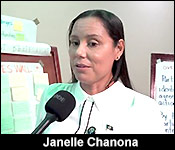 "I would push back against the premise of the question insofar as I think persons want to be actively engaged. I think what may be manifesting is frustration and, more worryingly, fear. Because we know when you take a public position, sometimes your head gets chopped off, or as we just were speaking about just now, there's a cost to it that, for existential reasons, you cannot bear, because it means the lifeblood of your family. So I think, more importantly, we have to be calling out why civil society isn't being met in an environment conducive to growth. We saw very recently efforts regionally regarding the Financial Action Task Force, and even though the requirements spoke to making sure that that space is safeguarded and it's done in a way that does not limit the space, we saw the first iterations of those proposed legislations associated with that really looking at some really draconian measures and repercussions for people-the custodial work being done-and it's like, how are you going to hold a janitor to account to what the accountant is doing? So I think there is sometimes a polarizing approach of saying, 'Well, we'll go after this,' but we also see that where NPOs and NGOs, long before legislation provided for it, were being transparent, were going above and beyond because of external requirements, long before national legislations-and then we also see a hesitancy in making sure, you know, whether it was religious entities or political entities, of not having that same responsibility and requirements. So I think at the end of it, it comes down to equality and equity, and making sure that as civil society continues to find itself, that given the role of it to a healthy democracy-it was part of the immunity system-that the public embraces and supports the efforts of the civil society. Because we know this, for one thing, Jaleeza: the government cannot do everything, and civil society is one of the initial layers that is providing direct medical, social, spiritual, cultural support to the public. And if we're not there doing it, it means you're getting less-not that, you know, somebody's going to fill the gap. So it's really making sure there's that balance being struck." |